When people here talk about water getting into houses, they talk about the river, and there is good reason for that. Penrith and Emu Plains sit on the Hawkesbury-Nepean floodplain, the SES names the affected localities, and March 2021 severely affected over six hundred homes despite being only the fifteenth largest flood on record.
But the banks of the Nepean are high, which means smaller floods stay within the river. So a great deal of the water damage that actually happens to houses out here, in ordinary heavy rain, is not river flood at all. It is stormwater and sewer surcharge during the same downpour, and that is a plumbing problem rather than an emergency services one.
Two different things happen in the same weather. River flooding is an SES matter and it is the one everybody plans for. Stormwater backing up and sewer surcharging during heavy rain is a drainage matter on your own property, it happens far more often, and it is largely preventable. Telling them apart decides who you should be calling and what is worth doing about it.
- Ask whether the water came from outside the property or up through a fixture
- Note whether it happened while it was raining or after the river rose
- Check every stormwater pit and grate before the wet season
- Find out where each downpipe actually discharges
- The SES is the authority on river flooding. Drainage on your block is not theirs
On this page
1. Two different events, one kind of weather
It is worth separating these carefully, because they get talked about as one thing and they behave nothing alike.
- River flooding. The Nepean rises, and where it goes over is a known and mapped question. The SES names the affected localities and is the authority on it. It is infrequent: March 2021 was the first major flood since 1990.
- Stormwater overwhelm. Heavy rain arrives faster than the drainage on a property can take it away, so it goes wherever else it can. This happens most summers somewhere.
- Sewer surcharge. The sewer system takes more water than it was built for during a downpour and backs up. Where a property has no working relief point outside, the lowest fixture indoors becomes the relief point instead.
The second and third are the ones that put water in houses most often here, and both sit on the plumbing side of the line rather than the emergency services side.
Which is exactly why the distinction matters. Smaller floods stay in the river, so the water in a laundry during ordinary heavy rain usually did not come from it.
2. Telling them apart after the event
- Where did it come in? Under a door, across a driveway or through a wall is surface water. Up through a floor waste, a shower or a downstairs toilet is drainage.
- When did it happen? During the downpour points at stormwater or surcharge. Hours or days later, as the river rose, points at the river.
- Was it clean or foul? An unpleasant answer, but a definitive one about which system was involved.
- Did it stop when the rain stopped? Drainage problems generally ease quickly. River water does not.
- Did neighbours get it too, and where? A whole street points at the system. One property points at that property.
Those five answers are worth writing down while they are fresh, because they decide whether the useful next step is a plumber, a drainage assessment or something else entirely.
3. What surcharge actually does to a house
When a sewer takes more water than it was designed to carry, the level in it rises. The system is built to relieve that outside, at a low point on a property, before it can reach anything indoors.
Where that relief point is missing, blocked, buried under later landscaping or set too high because ground levels have been raised over the years, the next lowest opening in the system is the one that relieves instead. In a house that is usually a ground floor shower, a laundry tub or a downstairs toilet.
That is why the same storm puts water in one house and not the one next door. It is not about how much rain fell, it is about where the system was able to let go.
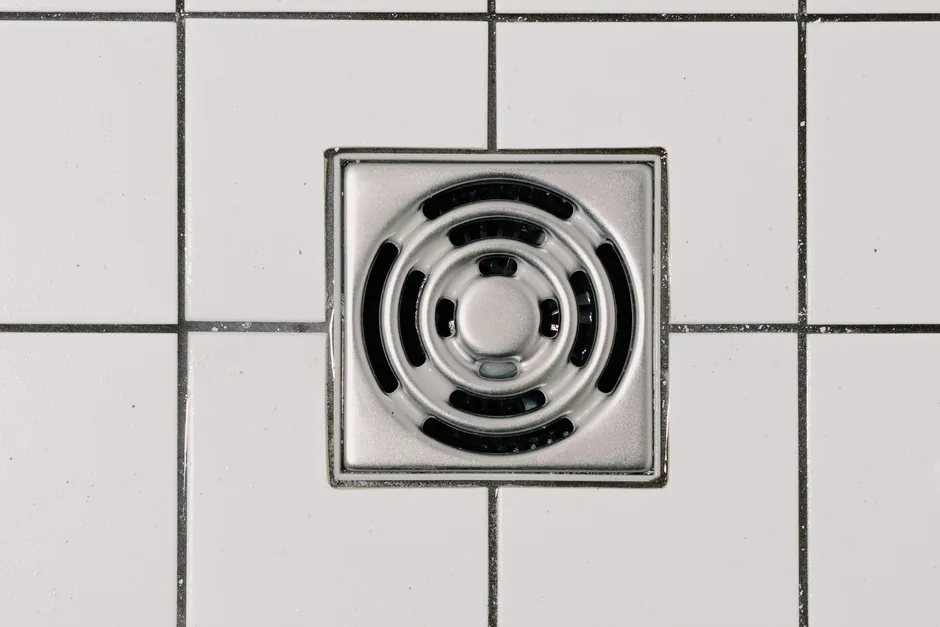
4. What is actually preventable
This is the encouraging part, and it is why the distinction is worth making. River flooding is something to plan around. Most of the rest is maintenance.
- Clear every stormwater pit and grate before the wet season, and check the base rather than the surface.
- Clear the gutters, because a full gutter overflows at the wall and puts water straight against the building.
- Find where each downpipe actually discharges. Some end in the ground beside a wall and nobody has ever looked.
- Check whether the property has a relief point outside, whether it is clear, and whether later landscaping has raised the ground around it.
- Look at where paved areas fall. Paving that has settled toward the house is common in older properties and it is a real contributor.
- Have the drainage filmed once, so a recurring problem is diagnosed from footage rather than from theory.
Water inside during the last big rain?
We can establish whether it was surcharge or surface water, and what can be done.
5. If it happens every time it rains hard
A property that takes water in every significant downpour is not unlucky. It has a specific, findable reason, and in most cases that reason is on the property rather than in the sky.
The common ones are a blocked or undersized stormwater system, a relief point that cannot do its job, drainage damaged or partly collapsed somewhere along its length, or ground levels that have changed over decades of landscaping so that water now falls toward the building rather than away from it.
All four are diagnosable and all four are fixable. What they are not is a reason to keep buying sandbags every February.
6. Who the right authority is for what
- River flooding, warnings and what to do during one: the NSW SES. They name the affected localities and they are the authority. Nothing on this page substitutes for their advice.
- What is required for stormwater on a property: Council.
- The public sewer and stormwater network: the relevant authority for that infrastructure, not the property owner.
- Drainage inside your boundary: yours, and this is where a plumber is genuinely useful.
- Insurance: your insurer, and the distinction between flood and stormwater can matter to them, which is another reason to establish which one it was.
We stay firmly in the fourth of those. What we can do is find out what happened on your property, show you the evidence, and fix what is fixable.
- Penrith and Emu Plains sit on the Hawkesbury-Nepean floodplain and the SES is the authority on that.
- The banks of the Nepean are high, so smaller floods stay within the river.
- Most water that gets into houses in ordinary heavy rain is stormwater or sewer surcharge.
- Where it came in, and when, tells you which of the two you had.
- Surcharge relieves at the lowest opening, which indoors is a shower, laundry tub or toilet.
- Pits, gutters, downpipes and the relief point are maintenance, and maintenance is preventable.
Stormwater, not the river FAQs
How do I know if it was flood or stormwater?
Where and when. Water coming under a door or across a driveway during the downpour is surface water. Water rising through a floor waste or a shower is drainage. River water generally arrives later and does not recede when the rain stops.
Why did my house get water and my neighbour's did not?
Usually because of where each system was able to relieve itself. A property with a clear relief point outside lets go outside. One without lets go at the lowest opening indoors. It is rarely about how much rain fell on each block.
Is this the council's problem?
Council is the authority on stormwater requirements and owns the public drainage in the street. Drainage inside your boundary is the property owner's, and that is where most of this originates.
Can I do anything about surcharge?
Frequently yes. Establishing whether the property has a working relief point outside, and whether ground levels or later landscaping have compromised it, is the first step and it is a short job.
It happens every heavy rain. Is that just where I live?
Almost certainly not. A property that takes water every time has a specific reason, and in most cases it is on the property and it is fixable. Filming the drainage is how you find out rather than guess.
Should I ring the SES or a plumber?
For river flooding, warnings and safety during an event, the SES, always. For water coming up through fixtures or backing up on your own property in heavy rain, a plumber. If in any doubt about safety, the SES first.